The Story
The Grandeur of Karatsu and Ouchi
Karatsu City is located in the northwestern part of Saga Prefecture, a region rich in nature, nestled between the Genkai Sea to the north and Mt. Tenzan to the south. Our brewery is tucked away in the mountainous district of Ouchi, surrounded by landmarks such as "Mikaeri Falls"—ranked number one in Kyushu—and the "Warabino Terraced Rice Fields," one of Japan’s largest and most historic terraced landscapes dating back to the Muromachi period.
A Historic Peak: The Legend of "Senyo," Supplier to the Imperial Navy
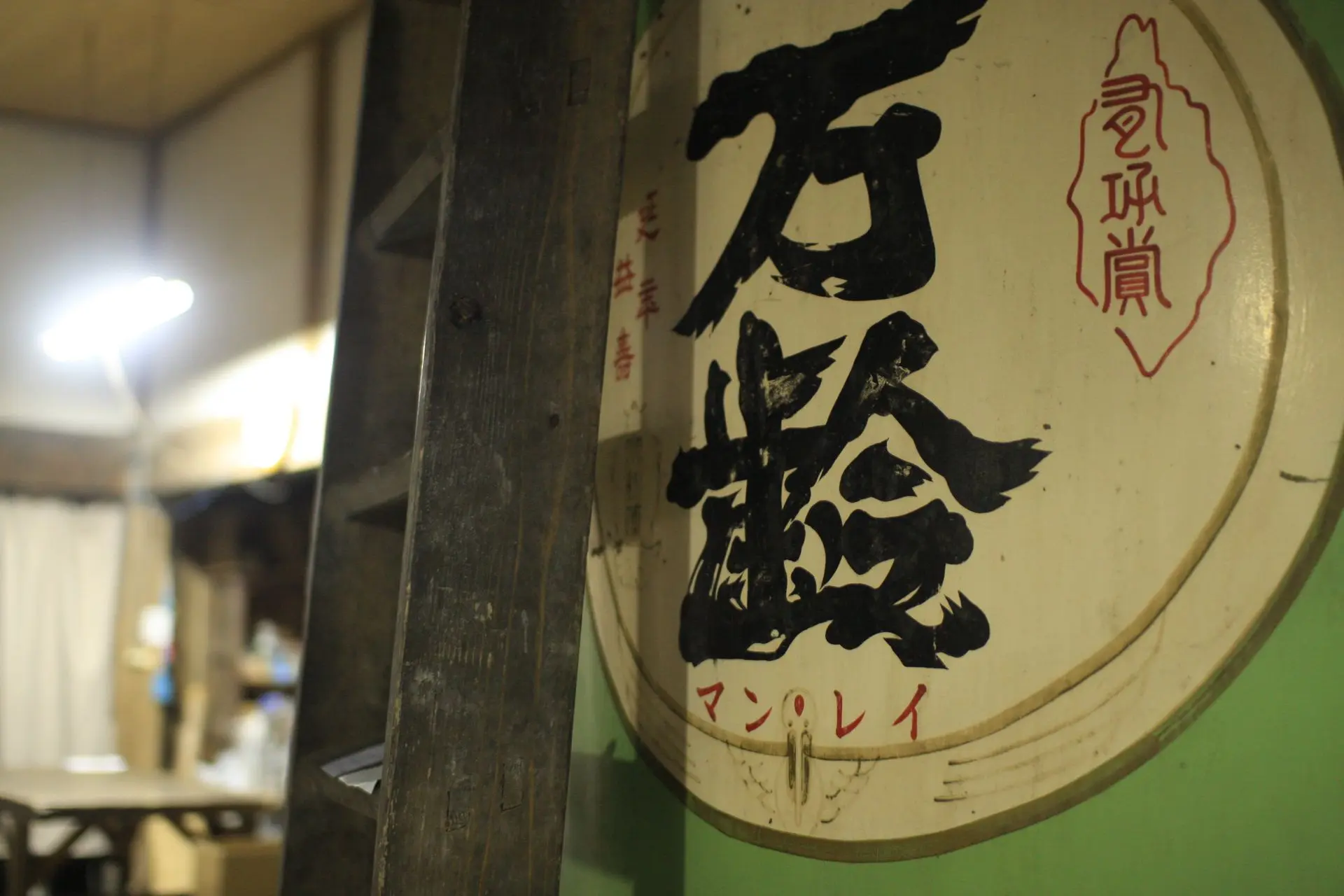
Founded in the late Edo period, our brewery achieved early acclaim, winning numerous awards from the Taisho to the early Showa eras. As a renowned "Meijo-kura" (brewery of excellence), our sake became an official supplier to the Imperial Navy. Under the brand name "Senyo," our sake was shipped from Sasebo Port to frontline bases across the South Pacific, marking a storied chapter in our heritage.
The Winter of an Era: The Heartbreaking Suspension in 1990
However, as times changed and sake consumption continued to decline, we faced an undeniable reality. In 1990 (Heisei 2), we were forced to suspend all sake production, bringing a temporary end to our long-standing brewing history.
The Sake
A One-Man Mission to Save a Legacy
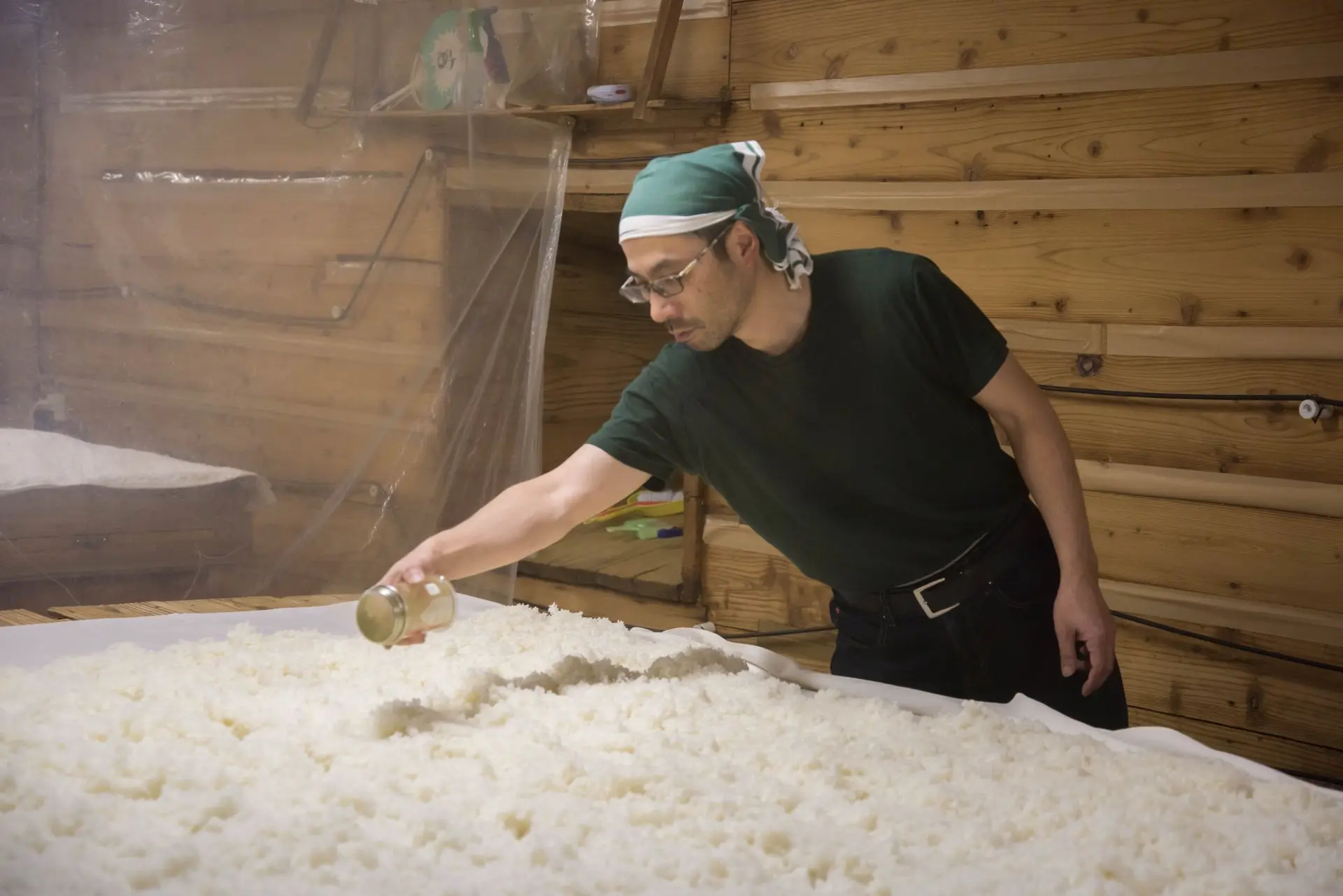
In the spring of 1995, as Komatsu Shuzo teetered on the brink of closure, the family’s eldest son, Daisuke Komatsu, left his corporate life in Tokyo to return to his roots. Determined to revive the brewery, he embraced a bold and then-revolutionary "compact" style: the "Kuramoto-Toji" model, where the owner takes on the mantle of Master Brewer.
Driven by the conviction that "In this era, you cannot sell sake if you do not understand the craft," he spent eight months at the National Research Institute of Brewing in Hiroshima studying theory. The following winter, he apprenticed at a brewery in Shimane Prefecture, mastering every physical stage of the process. In the spring of 1997, he began the arduous task of cleaning and preparing his own facility. Finally, in January 1998, after an eight-year hiatus, production resumed. By March, he had successfully brewed 80 koku (approx. 14,400 liters) of sake and 20 koku of shochu, marking a triumphant return to the world of brewing.
The Sake
The Miraculous Debut of Daiginjo "Manrei"
In the very first year of the brewery's revival, the Daiginjo "Manrei" achieved the unthinkable: winning the "Excellence Award" at the 1998 Fukuoka Regional Taxation Bureau Sake Appraisal. This unexpected "miracle" victory breathed new life into the brewery, signaling a triumphant return and silencing any doubts about its future.
Beyond Tradition: Unique Shochu and the Industry’s First "Drinking Mirin"
Simultaneous with the revival, we resumed production of our Junmai Shochu "Ouchi," utilizing a unique "Three-Stage Fermentation" (Sandan-shikomi) rarely seen in shochu production. Since 2005, we have expanded our repertoire with fruit liqueurs like "Momoko" and "Sumomo Umeshu," crafted from local specialty plums.
In 2012, we broke new ground by producing Mirin (sweet rice wine) using premium Saga-grown glutinous rice. We introduced the revolutionary concept of "Drinking Mirin"—an industry first that transforms this traditional cooking staple into a sophisticated dessert wine. This bold move exemplifies our relentless spirit of innovation and challenge.
From Komatsu Syuzou Co.
This message is displayed because you did not provided both a filter and a template to use.